
Legal IPTV vs Illegal IPTV: How to Tell the Difference
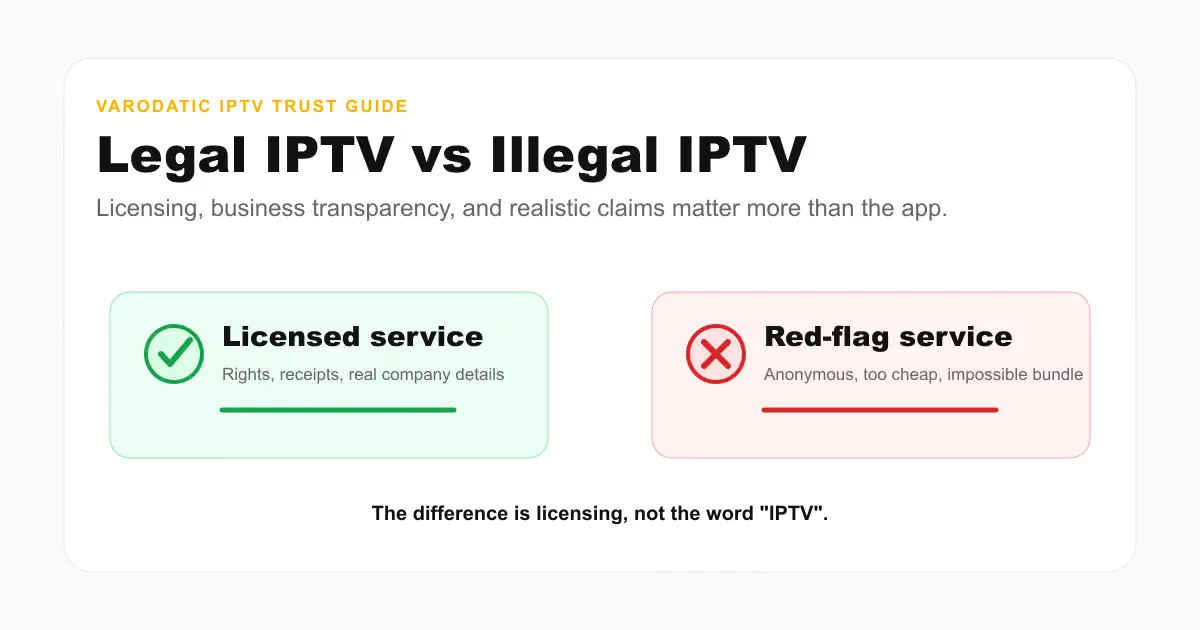
When exploring the world of internet television, one of the most common and confusing topics is the distinction between legal IPTV vs illegal IPTV.
With thousands of providers advertising online, separating a legitimate IPTV service from an unauthorized one can be difficult. Many users unknowingly subscribe to unauthorized platforms simply because they look professional or offer incredibly low prices.
This guide will explain exactly what makes an IPTV service legal, the risks of using unauthorized providers, and how to verify if a provider is operating legitimately.
What Is IPTV?
Before discussing legality, it is important to understand that IPTV (Internet Protocol Television) is merely a technology. It is a method of delivering television and video content over an internet connection rather than through traditional cable or satellite formats.
Because it is just a delivery method, the technology itself is completely legal. The legality only comes into question regarding the content being distributed over that technology and whether the provider has the rights to do so.
What Makes an IPTV Service Legal?
A legal IPTV service operates with the proper authorization from the owners of the content they distribute.
When you subscribe to a legitimate IPTV provider, a portion of your subscription fee goes toward paying for the broadcasting rights of the channels, movies, and series available on the platform.
Key characteristics of a legal IPTV provider:
- Proper Content Licensing: They have negotiated agreements with media companies to broadcast their content.
- Transparent Ownership: You can easily find information about the company operating the service.
- Clear Policies: They provide comprehensive terms of service, privacy policies, and refund guidelines.
- Standard Applications: They usually offer official, audited applications rather than requiring sketchy third-party downloads.
What Makes an IPTV Service Illegal or Unauthorized?
An unauthorized or illegal IPTV service distributes copyrighted content without permission or licensing from the original owners.
These providers capture broadcast signals, bypass encryption, and restream the content to their subscribers without paying any royalties or licensing fees. This is copyright infringement and is illegal in most jurisdictions.
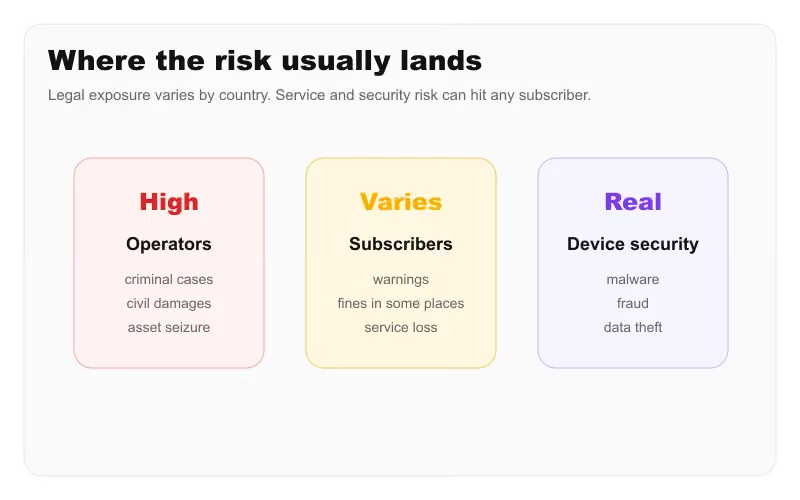 IPTV Risk Operator vs Subscriber
Legal IPTV vs Illegal IPTV: Key Differences
To help you tell the difference at a glance, here is a comparison between legitimate and unauthorized IPTV services:
| Feature | Legal IPTV | Illegal IPTV |
|---|---|---|
| Pricing | Standard market rates | Unrealistically cheap (e.g., $15/year) |
| Channel Count | Licensed, curated selection | Tens of thousands of unverified channels |
| Payment Methods | Secure, standard processors | Often restricted to cryptocurrency or untraceable methods |
| Company Details | Public and transparent | Hidden, anonymous, or offshore |
| Customer Support | Accessible and responsive | Non-existent or unresponsive |
| Content Updates | Official and reliable | Sporadic, often relying on broken links |
Warning Signs of a Potentially Unauthorized IPTV Service
If you are evaluating an IPTV provider, watch out for these red flags:
Extremely Low Prices and Unrealistic Promises
If a provider is offering 50,000 live channels and every premium movie ever made for a few dollars a month, they are almost certainly not paying licensing fees. Operating a massive global broadcasting network requires significant infrastructure and legal investment, which is reflected in standard IPTV pricing.
Lack of Company Information or Transparency
Legitimate businesses want you to know who they are. If a provider's website lacks an "About Us" section, has no physical address, or hides behind anonymous domains, it is a significant warning sign. If you cannot easily find a way to contact them, you should look elsewhere.
Missing or Unclear Terms and Privacy Policies
A legitimate IPTV service handles user data responsibly and complies with local privacy regulations. Unauthorized providers rarely bother writing genuine privacy policies or terms of service. Before handing over your personal information, verify that these documents exist and appear professional.
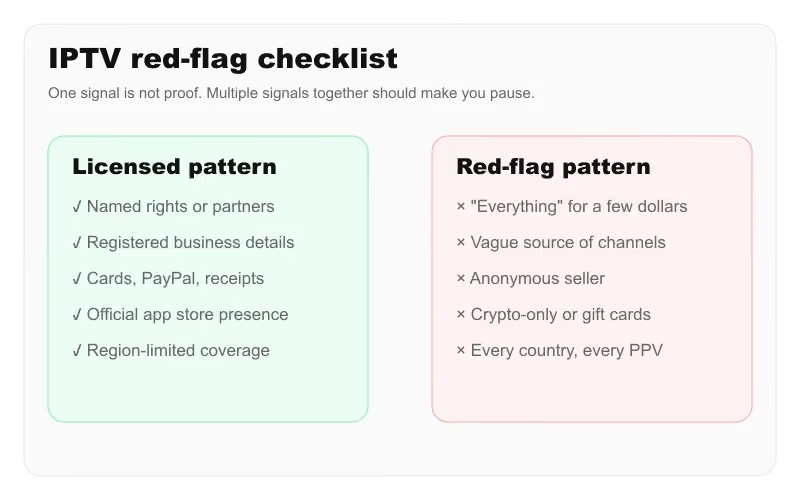 IPTV Red Flags Checklist
How to Check an IPTV Provider Before Subscribing
Before committing to a subscription, take the time to evaluate the provider thoroughly. If you are unsure how to start, our guide on choosing a reliable IPTV provider offers a deep dive into avoiding scams.
When reviewing a new provider, look at how they handle their infrastructure. A reliable service will offer clear installation guides rather than forcing you to use unsafe, unverified software.
Why Content Licensing Matters
Content licensing is the foundation of legal broadcasting. Media companies spend billions of dollars producing movies, series, and live sports events. When an IPTV provider bypasses the licensing process, they are committing copyright infringement.
Depending on your country, the legal consequences usually fall heavily on the operators of these unauthorized services. However, subscribers also face risks, including sudden service shutdowns without refunds and potential scrutiny from internet service providers.
Protecting Your Personal and Payment Information
When dealing with a questionable IPTV provider, you are not just risking a poor viewing experience—you are risking your personal data.
Unauthorized providers are not bound by data protection laws. They may sell your email address, monitor your viewing habits, or fail to secure your payment information. Always ensure that the provider uses standard, secure payment gateways and has a clear policy regarding your data.
Choosing a Reliable and Legitimate IPTV Service
Understanding the difference between legal IPTV vs illegal IPTV empowers you to make smarter, safer choices.
You should prioritize providers that offer transparent billing, reliable infrastructure, and accessible support. While it might be tempting to chase the cheapest subscription available, the hidden costs of buffering, sudden shutdowns, and compromised personal data often outweigh the initial savings.
If you are looking for a reliable viewing experience, carefully evaluate the services available and ask the right questions before you buy.
Frequently Asked Questions
Is IPTV itself illegal?
No, IPTV is simply a technology for streaming video over the internet. It is entirely legal. The legality depends solely on whether the provider has the licenses to distribute the content they are offering.
How can I tell if an IPTV service is legitimate?
A legitimate IPTV provider features transparent pricing, clear company details, responsive customer support, secure payment methods, and standard privacy policies.
What does IPTV licensing mean?
Licensing means the provider has paid the content owners (such as movie studios or sports leagues) for the right to legally broadcast their content to subscribers.
Are extremely cheap IPTV subscriptions a warning sign?
Yes. Broadcasting rights and server maintenance are expensive. If a service is suspiciously cheap, it is highly likely they are not paying for the content they distribute.
Does having thousands of channels mean an IPTV service is illegal?
Not necessarily, but it is a strong indicator if those thousands of channels include premium global networks offered for an extremely low price. Legitimate services focus on quality and licensing rather than inflating channel counts with unauthorized streams.
Can IPTV services be legal in one country and restricted in another?
Yes. Content licensing is often done on a regional basis. A provider may have the right to broadcast certain channels in one country but not in another, making geo-restrictions a common feature of legal IPTV services.
What should I check before subscribing to an IPTV provider?
Always verify their pricing structure, look for a clear privacy policy, check if they offer standard secure payment methods, and ensure you can easily contact their support team. You can find more answers on our FAQ page.
Final Thoughts
The line between legal and illegal IPTV comes down to one primary factor: authorization.
When you choose a legitimate IPTV service, you are paying for reliability, customer support, and the peace of mind that your data is secure and your service won't abruptly vanish.
As you evaluate different options in the market, including iscreenhd IPTV, always prioritize transparency, security, and a proven track record of reliable service.